Ambassador Kenneth M. Quinn: A Legacy of Service, Leadership, and Global Impact

It was a privilege for Miriam Chickering, CEO at NextGenU.org, to meet Ambassador Quinn at the inaugural Iowa Global Volunteer Corps event. Miriam shared a heartwarming picture of herself and Ambassador Quinn captioned, “Honored to spend an afternoon learning from Ambassador Kenneth M. Quinn and colleagues at the inaugural Iowa Global Volunteer Corps event.” Miriam Chickering expressed how truly inspiring it was to have had the opportunity to meet Ambassador Quinn, and experience his knowledge and awe-inspiring leadership.  This connection reinforced NextGenU.org’s commitment to global service and leadership and has inspired us to continue our work to empower the next generation of health professionals and global citizens.

In the realm of international diplomacy and humanitarian work, few individuals have left as indelible a mark as Ambassador Kenneth M. Quinn. His remarkable journey from a young diplomat to a global leader in food security and agricultural development serves as an inspiration to all who strive to make a positive impact on the world. We find ourselves deeply inspired by Ambassador Quinn’s dedication, perseverance, and visionary leadership.

A Diplomatic Career of Distinction

Ambassador Quinn’s 32-year career in the Foreign Service is a testament to his unwavering commitment to public service and international cooperation, marked by pivotal roles in some of the most challenging moments in recent history. As a Rural Development advisor in the Mekong Delta, he gained firsthand knowledge of the challenges facing developing regions, while his service on the National Security Council staff at the White House provided him with a strategic perspective on global affairs. At the U.S. mission to the United Nations in Vienna, he worked to foster international cooperation, and as Chairman of the U.S. Inter-agency Task Force on POW/MIAs, he demonstrated his dedication to those who have served their country. His humanitarian spirit was evident in his role as Director of Iowa SHARES, where he coordinated efforts to send vital medical aid to Cambodian refugees. Additionally, Ambassador Quinn’s courage and integrity were recognized throughout his career with numerous awards, including the Secretary of State’s Award for Heroism and Valor and the Presidential Distinguished Service Award.

Championing Food Security and Agricultural Development

U.N. Secretary-General Kofi Annan speaking at the World Food Prize Borlaug Dialogue symposium in Des Moines, 2010, invited by Ambassador Kenneth M. Quinn.

After retiring from the State Department, Ambassador Quinn took on a new challenge as the president of the World Food Prize Foundation in 2000. Inspired by the vision of Dr. Norman E. Borlaug, he transformed the annual $250,000 award into the “Nobel Prize for Food and Agriculture.” Under his leadership, the World Food Prize Laureate Award Ceremony, “Borlaug Dialogue” International Symposium, and Global Youth Institute have become prestigious global events.

Ambassador Quinn’s achievements at the World Food Prize Foundation are highlighted by his successful efforts in raising over $30 million to restore the historic Des Moines Public Library and transform it into the World Food Prize Dr. Norman E. Borlaug Hall of Laureates. He also chaired the Dr. Norman E. Borlaug Statue Committee, leading to the unveiling of Dr. Borlaug’s statue in the U.S. Capitol. Additionally, he expanded the foundation’s reach and impact, fostering global conversations on food security and agricultural innovation.

A Legacy of Intellectual Courage and Humanitarian Action

Governor Robert Ray during the period when Ambassador Kenneth M. Quinn was on assignment to his office (1978-1982), working on rescuing the Boat People refugees from Vietnam and directing Iowa SHARES, the campaign that provided life-saving food and medicine to Cambodian genocide victims.

While completing a four-year stint on Iowa Governor Bob Ray’s staff, Ambassador Quinn worked on the plight of the Vietnamese “boat people” refugees following the Vietnam War. As a diplomat deeply involved in Southeast Asia during this period, Ambassador Quinn witnessed firsthand the harrowing conditions these refugees faced as they fled their war-torn homeland in overcrowded, makeshift boats, risking their lives on the open sea.

Many perished from starvation, dehydration, and attacks by pirates. Ambassador Quinn, moved by their suffering, played a pivotal role in advocating for their resettlement, particularly in the United States. He worked tirelessly to raise awareness of their dire situation, contributing to the successful efforts to bring thousands of these refugees to safety in the U.S., where they could rebuild their lives. His commitment to humanitarianism during this crisis highlighted the profound impact that compassionate diplomacy can have in alleviating human suffering.

Throughout his career, Ambassador Quinn has demonstrated an unwavering commitment to truth and justice. He is widely acknowledged as the first person to report on the genocidal policies of the Khmer Rouge in 1974. His doctoral dissertation on the origins of the Pol Pot regime showcased his deep understanding of complex geopolitical issues.

Ambassador Quinn’s expertise and dedication have been recognized with numerous prestigious honors. He has received the American Farm Bureau Distinguished Service to Agriculture Award, the Indian Council of Food and Agriculture Global Leadership Award, and the White House Champion of Change Award. Additionally, he was awarded the prestigious Iowa Medal, making him only the 23rd person in Iowa history to receive this distinguished honor.

Inspiring the Next Generation of Global Leaders

Ambassador Kenneth M. Quinn

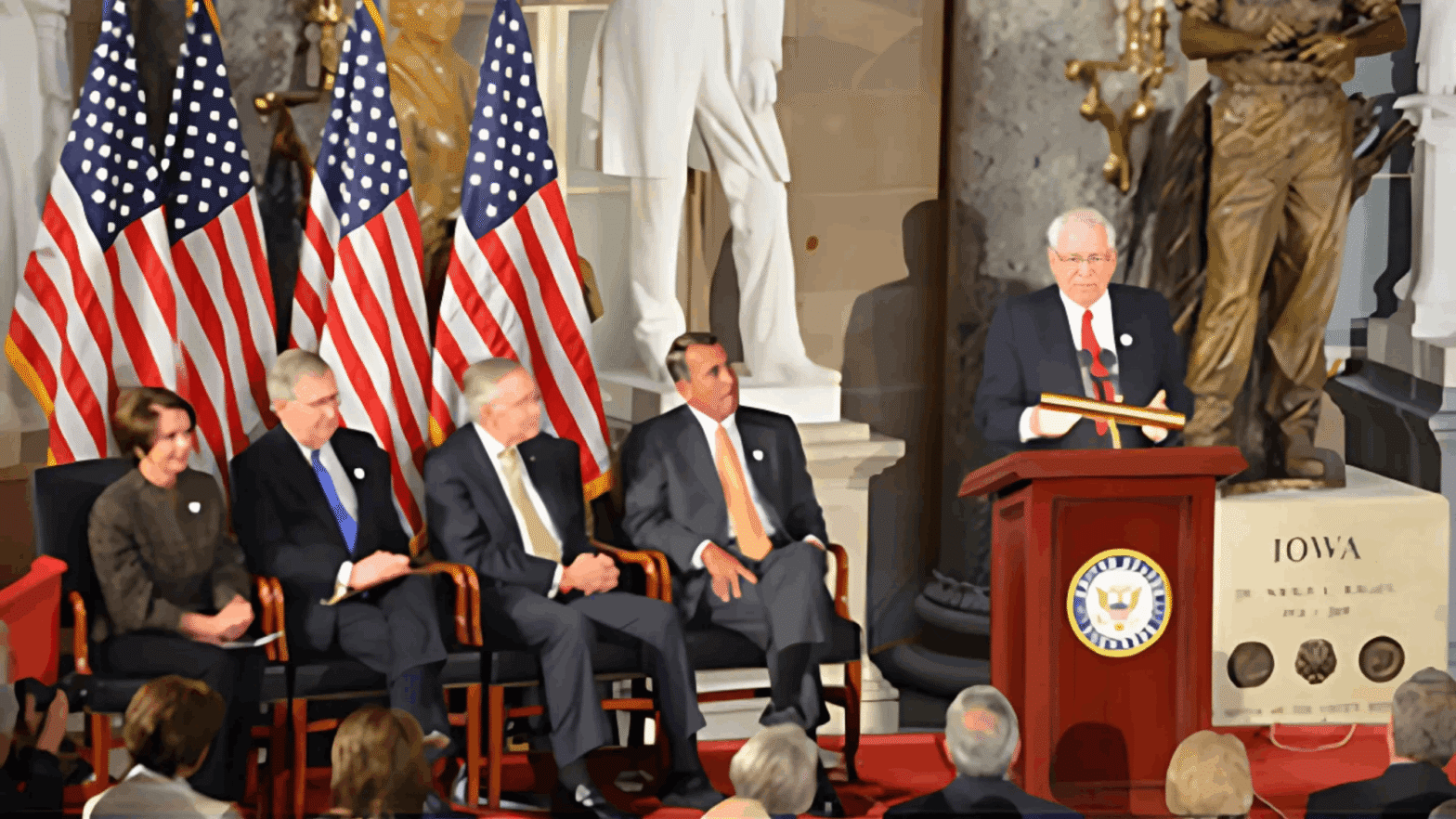
Ambassador Kenneth M. Quinn speaking at the dedication of the statue of Nobel Peace Prize Laureate and World Food Prize founder Dr. Norman Borlaug in Statuary Hall at the U.S. Capitol on March 25, 2014. As chair of the committee, he led the efforts to raise funds and select the artist, with Congressional leadership in attendance.

Ambassador Quinn’s life work serves as a powerful example for all of us at NextGenU.org. His ability to bridge cultural divides, tackle complex global challenges, and inspire positive change aligns closely with our mission to provide accessible, high-quality education to learners worldwide.

As we reflect on Ambassador Quinn’s legacy, we are reminded of the importance of perseverance, intellectual courage, and dedication to service. His life’s work challenges us to think globally, act locally, and never underestimate the power of education and cooperation in addressing the world’s most pressing issues.

At NextGenU.org, we strive to embody these values in our daily work, providing free education in health sciences to learners around the globe. Ambassador Quinn’s journey from a young diplomat to a global leader in food security and agricultural development serves as a beacon, guiding us as we continue to expand our educational offerings and impact.

To learn more about Ambassador Kenneth Quinn’s journey, please click herehere, or here.

References:

PBS. (n.d.). Citizen diplomacy. PBS. Retrieved August 20, 2024, from https://www.pbs.org/video/citizen-diplomacy-nbfzgr/

World Food Prize Foundation. (n.d.). Ambassador Kenneth M. Quinn. World Food Prize Foundation. Retrieved August 20, 2024, from https://www.worldfoodprize.org/en/about_the_foundation/ambassador_kenneth_m_quinn/?fbclid=IwY2xjawEm5JhleHRuA2FlbQIxMQABHdtKL_6E-UZhviv6ImXgP1UNs5ejIiDXJxYRKYX49iy-IUkYUANGdQkJrA_aem_vqYqU7oAICVFBfX8kT2OAA&sfnsn=wa

WHO Releases 2024 Smoking Cessation Guidelines: A Milestone in Global Tobacco Control

Today marks a significant milestone in the global fight against tobacco use. The World Health Organization (WHO) has released its first-ever clinical treatment guideline for tobacco cessation in adults. As members of the Tobacco Expert Group, my colleague Vasant and I are proud to have contributed to this groundbreaking initiative.

Key Highlights of the Guidelines

  1. Comprehensive Approach: The guidelines recommend a range of interventions, including behavioral support, digital cessation tools, and pharmacological treatments.
  2. Focus on Quitters: With over 750 million tobacco users wanting to quit, these guidelines aim to bridge the gap in access to effective cessation services.
  3. Pharmacotherapy Recommendations: WHO recommends varenicline, Nicotine Replacement Therapy (NRT), bupropion, and cytisine as effective treatments for tobacco cessation.
  4. Behavioral Interventions: The guidelines emphasize the importance of brief counseling by health workers and more intensive support through individual, group, or phone counseling.
  5. Digital Solutions: Recognizing the potential of technology, the guidelines suggest the use of text messaging, smartphone apps, and internet programs as adjuncts or self-management tools.
  6. Combination Therapy: The guidelines stress that combining pharmacotherapy with behavioral interventions significantly increases quitting success rates.

Why These Guidelines Matter

Dr. Tedros Adhanom Ghebreyesus, WHO Director-General, highlighted the importance of these guidelines, stating, “This guideline marks a crucial milestone in our global battle against these dangerous products. It empowers countries with the essential tools to effectively support individuals in quitting tobacco and alleviate the global burden of tobacco-related diseases.”

The guidelines address a critical need, as 70% of those wishing to quit tobacco currently lack access to effective cessation services. By providing clear, evidence-based recommendations, WHO aims to help countries and healthcare providers offer the best possible support to those struggling with tobacco addiction.

Looking Ahead

As members of the Tobacco Expert Group, we believe these guidelines will play a crucial role in shaping tobacco cessation efforts worldwide. They provide a roadmap for countries to implement effective, accessible, and affordable cessation services.

We encourage healthcare providers, policymakers, and stakeholders to adopt and implement these guidelines. By doing so, we can take a significant step towards improving global health and reducing the burden of tobacco-related diseases.

For more information, visit the .

Let’s work together to create a world where quitting tobacco is not just a possibility, but a reality for millions.

Author: Dr. Eduardo BiancoDirector, Addiction Training Program for Health Professionals (ATHP)

Understanding the Impact of Nicotine on Cardiovascular Health: Insights from the World Health Federation Policy Brief

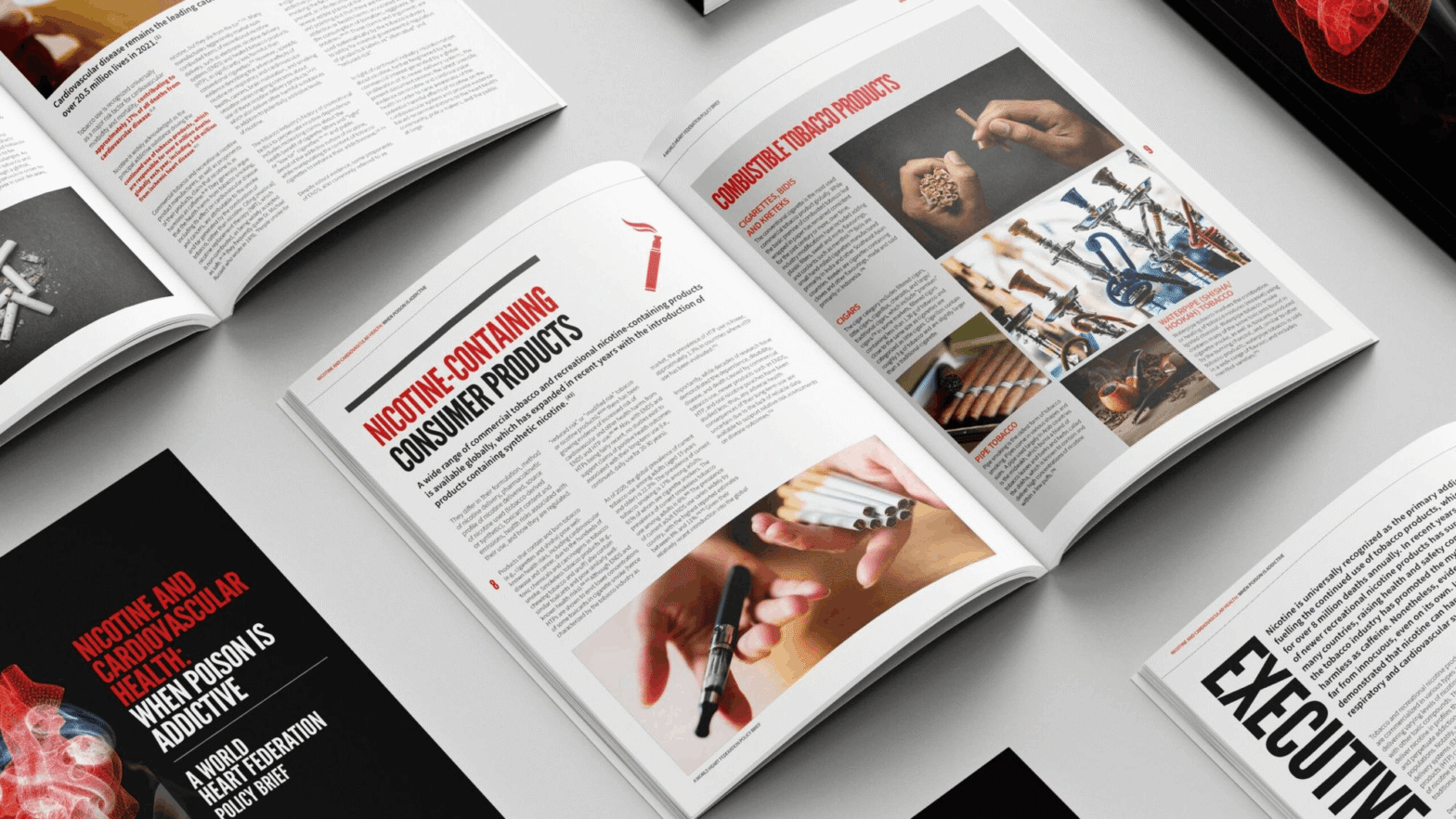
The World Heart Federation (WHF) has recently unveiled a pivotal paper on Nicotine and Cardiovascular (CV) health, marking a significant step in understanding this critical public health issue. A key contributor to this milestone is Prof. Eduardo Bianco, representing the Frank Foundation (known online as NextGenU.org), whose expertise has been instrumental in this research.

Prof. Eduardo Bianco stands as a figure of immense knowledge and dedication in the field of tobacco control and public health. Affiliated with the Frank Foundation for International Health, Eduardo has been a cornerstone in shaping policies and guidelines on a global scale. He brings a wealth of experience and a deep commitment to improving public health outcomes.

The WHF policy brief delves into the intricate relationship between nicotine and cardiovascular health. It highlights how nicotine contributes to heart diseases and the broader implications for public health and policy. The brief serves as a crucial resource for healthcare professionals, policymakers, and the public alike, offering insights into mitigating the risks associated with nicotine use.

As a co-author of the policy brief, Eduardo’s role has been pivotal. His insights and expertise in tobacco control have significantly shaped the findings and recommendations of the brief. At the Frank Foundation, he serves as the Director of International Policy Education in Addiction, playing a key role in developing and disseminating educational materials on addiction and public health​​.

Having completed the in-person meeting

The policy brief is not just a document; it’s a beacon of hope in the fight against tobacco use. It represents a comprehensive approach to understanding and combating the impacts of nicotine on heart health. The Frank Foundation for International Health, under Eduardo’s guidance, is poised to use this brief as a tool to further its mission of promoting health education and awareness worldwide.

We invite our readers to delve into the full WHF policy brief for an in-depth understanding of this critical issue. Join us in our journey to disseminate knowledge and foster a healthier, tobacco-free world.

The WHF policy brief on Nicotine and CV health, with contributions from Dr. Eduardo Bianco and others, is more than just a piece of research; it’s a step towards a healthier future. The Frank Foundation for International Health continues to be at the forefront of this journey, empowering individuals and communities with the knowledge to make informed health decisions.

Links and References:

Progress Update: First WHO Smoking Cessation Guidelines

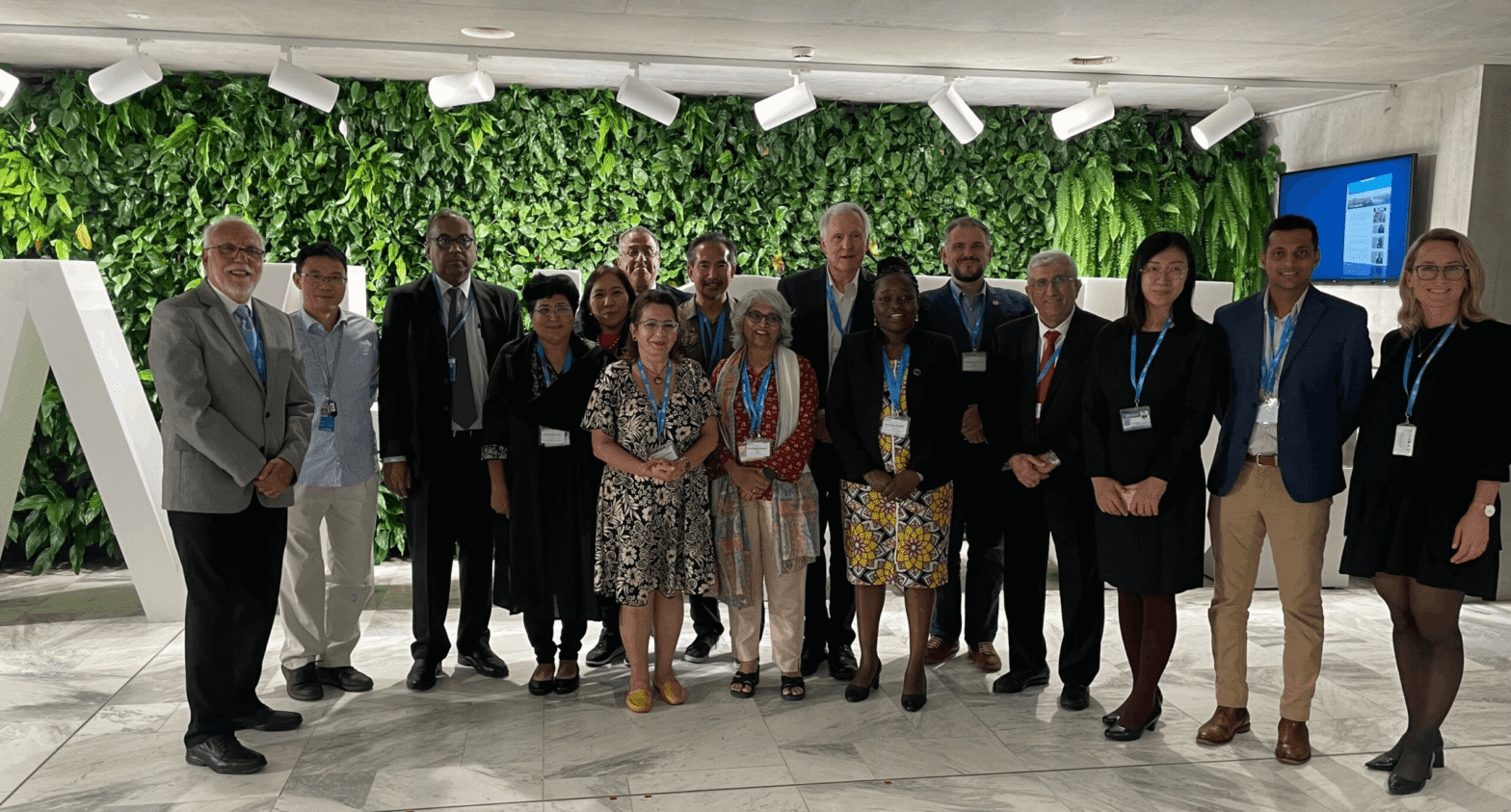
In the world’s relentless battle against tobacco use, a significant milestone is on the horizon. The first World Health Organization (WHO) Smoking Cessation Guidelines are taking shape, thanks to the dedicated efforts of the Guidelines Development Group (GDG). In this blog post, we delve into the recent in-person meeting held in Geneva and its outcomes, shedding light on the crucial steps toward finalizing these essential guidelines. We were proudly represented by Dr. Eduardo Bianco, Director of International Policy Education in Addiction for the Addiction Training Healthcare Professionals Program at the Ulrich and Ruth Frank Foundation for International Health, the delegate representing the Americas.

From September 4 to 6, the GDG convened in Geneva for an intensive in-person meeting to further advance the development of the WHO Smoking Cessation Guidelines. This diverse group comprised two experts from each region—mirroring the global nature of this pressing challenge. In addition to these regional experts, the GDG consisted of two coordinators along with WHO specialists in statistics and guideline development and the dedicated WHO Smoking Cessation team.

Months of prior online collaboration laid the foundation for the substantive discussions held during the meeting. The GDG members engaged in extensive and in-depth exchanges, meticulously analyzing various topics pertaining to smoking cessation. By harnessing the collective expertise and experience of the GDG, these discussions aimed to shape the forthcoming guidelines, ensuring their effectiveness and relevance in addressing the multifaceted dimensions of smoking cessation.

We are pleased to report that the GDG successfully tackled all the scheduled agenda items within the allocated time frame. The comprehensive nature of the discussions allowed for an exploration of the various aspects of smoking cessation. From evidence-based strategies to targeted interventions, the GDG left no stone unturned in its pursuit of formulating impactful recommendations to combat smoking.

Having completed the in-person meeting, the dedicated coordinators and the WHO team will now proceed to review and analyze the outcomes and insights generated during these discussions. Their collective expertise will be applied to refine and consolidate the latest version of the guidelines. Once this version is ready, it will be shared with the GDG members for their approval.

The WHO’s vision for the Smoking Cessation Guidelines involves finalizing them by the end of this year, with a subsequent launch planned for the following year. The imminent publication of these guidelines instills hope and anticipation, as they represent a significant step forward in the global fight against tobacco use. We’re proud of the contributions of Dr. Eduardo Bianco of the Ulrich and Ruth Frank Foundation for International Health to this global endeavor.

First WHO Smoking Cessation Guidelines

The recent in-person meeting of the GDG in Geneva marked a pivotal moment in the development of the First WHO Smoking Cessation Guidelines. The expertise and commitment demonstrated by the GDG members, along with the support of the WHO team, reinforce the significance of this initiative. As we eagerly await the launch of these guidelines, we recognize the collective efforts that have gone into shaping a document that will serve as a beacon for smoking cessation efforts worldwide. Together, we can look forward to a future where the detrimental impact of tobacco use is diminished, promoting healthier and more vibrant communities globally.

Seema Persaud

Author