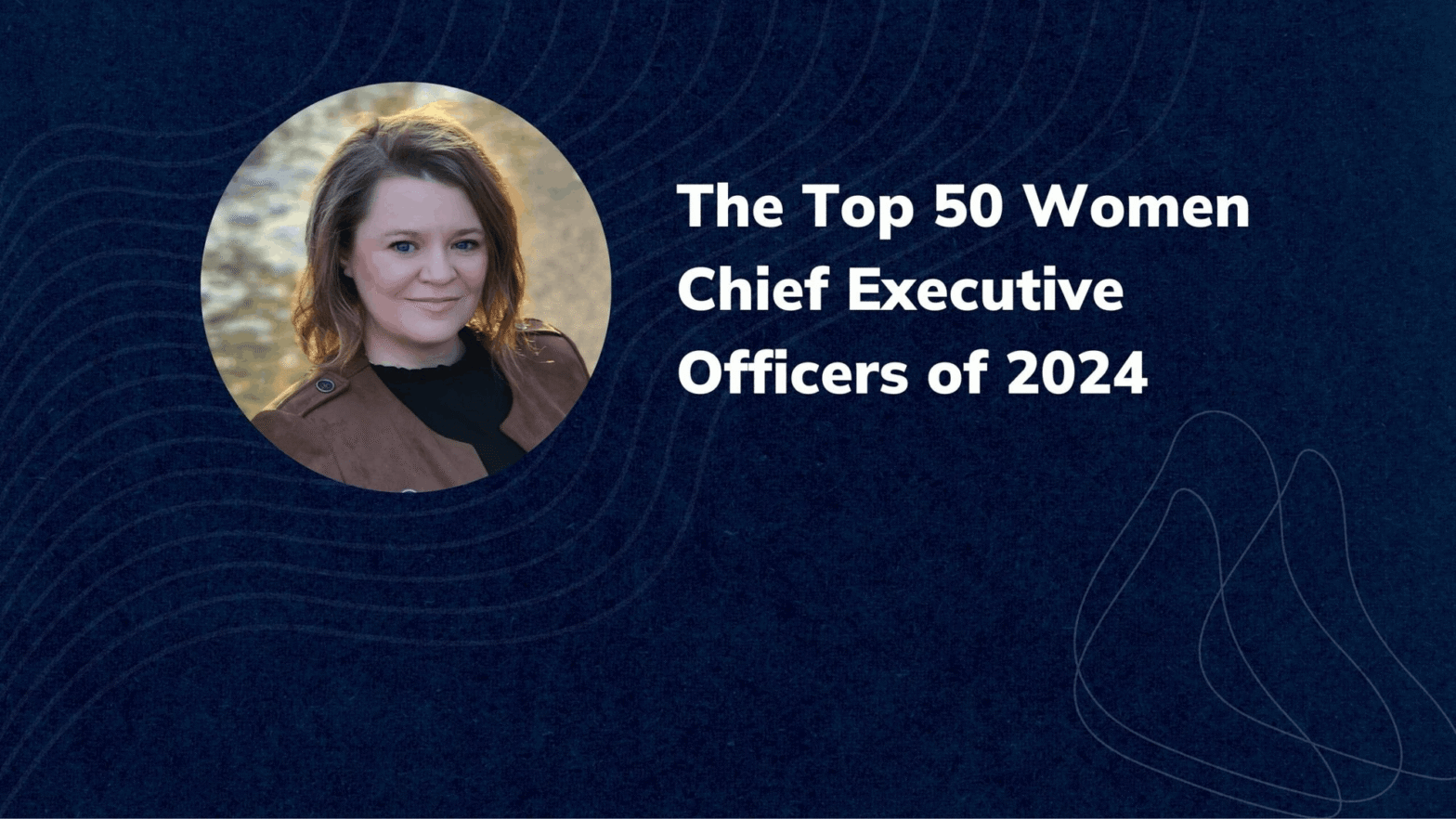
We are thrilled to share that our CEO, Miriam Chickering, has been recognized as one of the top 50 female Chief Executive Officers for 2024. Click here to read more about her contributions to global education. She is number 8 on the list.
Daily Archives: February 7, 2026
Introducing Pulse: The New NextGenU.org Newsletter
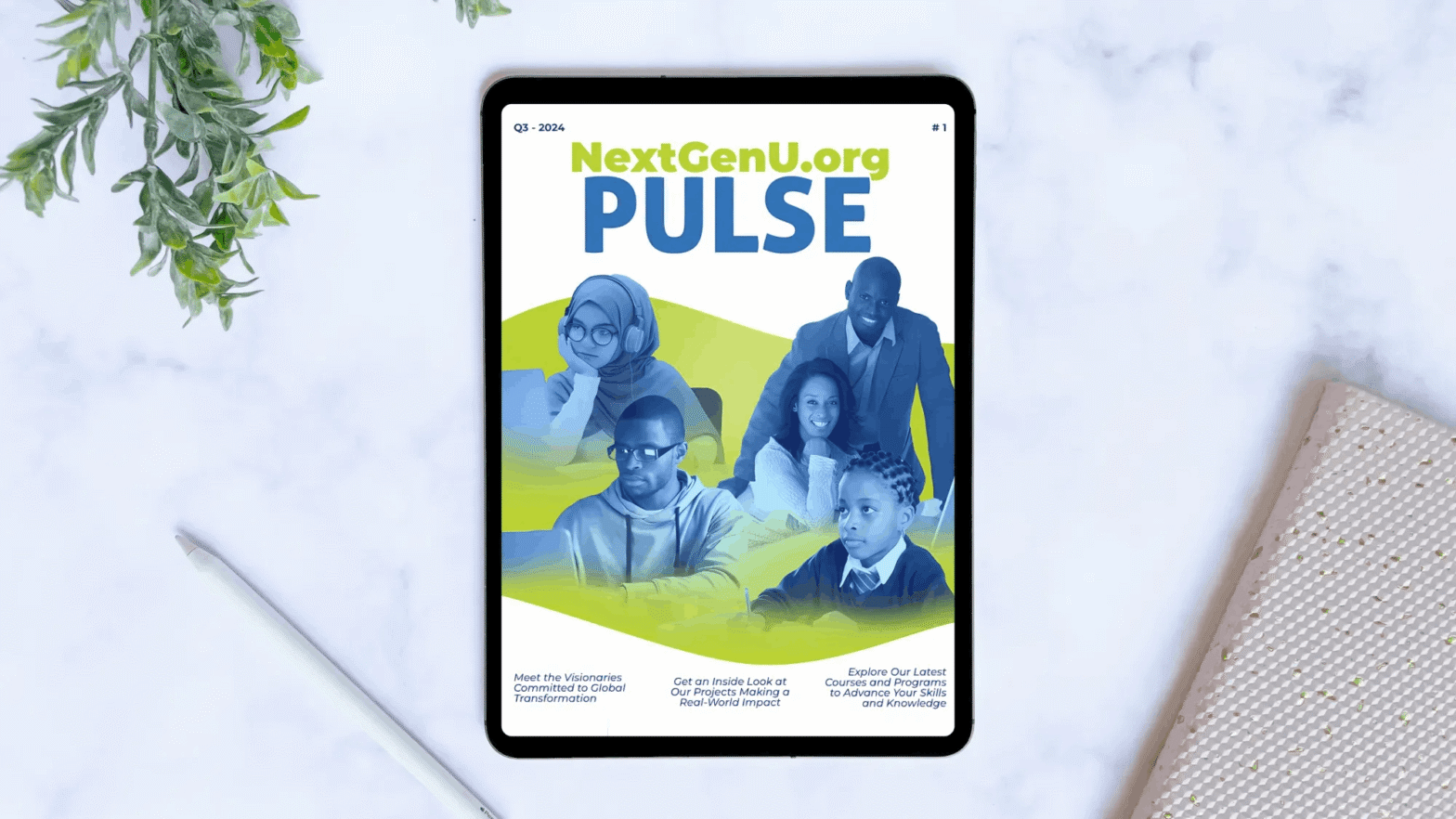
As part of our ongoing mission to democratize high-quality education in public health and beyond, we are thrilled to introduce Pulse, the new quarterly newsletter from NextGenU.org!
Why Pulse?
Pulse is more than just a newsletter—it’s a bridge connecting you with the latest advancements, initiatives, and inspiring stories from the NextGenU.org community. Whether you’re a student, educator, or partner organization, Pulse will keep you informed and engaged with everything happening in our global learning network.

What’s Inside the First Edition?
The inaugural issue of Pulse, released in December 2024, is packed with exciting updates, including:
- New Course Launches: We’re introducing transformative programs like the Master of Education for Health Professionals and expanded training in addiction treatment.
- Global Initiatives: Get insights into projects like STEPS, which is making an impact in Africa, and our collaborations with UNICEF.
- Inspiring Stories: Read testimonials from learners, faculty, and partners shaping health education’s future worldwide.

Stay Connected and Informed
With Pulse, we aim to build a stronger community by sharing valuable resources, highlighting impactful work, and celebrating our collective progress. Your engagement helps drive our mission forward, ensuring that accessible, high-quality education reaches those who need it most.
Access Pulse Now
Be part of this journey! Read the first edition of NextGenU.org Pulse now and stay updated on our latest programs and initiatives.
Want to receive future editions of Pulse? Subscribe now to stay connected with the latest updates!
We’d love to hear from you! If you have feedback or stories to share, reach out to us at info@nextgenu.org.
Expanding Global Education: The NextGenU.org University Network

In today’s rapidly evolving educational landscape, institutions face growing challenges in providing quality, accessible, and affordable learning opportunities. NextGenU.org’s University Network is a pioneering initiative designed to support universities and colleges worldwide by offering free, competency-based courses that can be seamlessly integrated into existing curricula at no cost when students access content from the NextGenU.org website and for very low cost when courseware from NextGenU.org is loaded to an institution’s internal platform.
What is the University Network?
The University Network is a collaborative program that connects higher education institutions with a vast library of free, accredited, and expert-developed courses. These resources cover crucial fields such as public health, medicine, global health, environmental sciences, and more. By leveraging these courses, universities can enrich their programs while reducing financial burdens on students and faculty.
Key Benefits of Joining the University Network
Partnering with NextGenU.org through the University Network enables institutions to:
- Expand Learning Opportunities: Provide students with access to top-tier educational content developed by global experts.
- Reduce Financial Barriers: Ensure cost-free, high-quality education for students and faculty.
- Strengthen Accreditation Compliance: Utilize courses that align with international educational standards and professional competencies.
- Foster Global Collaboration: Connect with a network of forward-thinking institutions committed to equitable and accessible education.
- Enhance Faculty Resources: Offer professors a wealth of teaching materials, case studies, and research-driven content to support student learning.

How Does the University Network Work?
- Seamless Course Integration: Universities can select and embed NextGenU.org’s courses into their programs as standalone subjects or supplementary materials.
- Open Access for Students: Learners gain free access to interactive modules, case studies, and assessments, empowering them with practical knowledge.
- Faculty and Institutional Support: Professors and academic staff receive guidance on course adoption, student monitoring, and integration best practices.
- Global Community Engagement: Universities and students become part of a larger international learning network, fostering cross-border collaboration and knowledge exchange.
Real-World Impact
Through partnerships with institutions across the globe, the University Network has already helped bridge educational gaps by providing thousands of students with quality learning experiences. From improving health education in low-resource settings to equipping professionals with career-advancing skills, the initiative is transforming higher education and making knowledge accessible to all.

How to Join the University Network
Education should be a right, not a privilege. The University Network at NextGenU.org is reshaping how universities deliver learning experiences, ensuring a brighter and more inclusive future for students worldwide. If your institution is interested in joining this transformative initiative, visit NextGenU.org/University-Network for more information.
By championing free, high-quality education, the University Network is setting new standards for academic collaboration and student success. Join today and be part of the movement toward a more equitable global education system!
Why Humanitarian Principles Matter More Than Ever
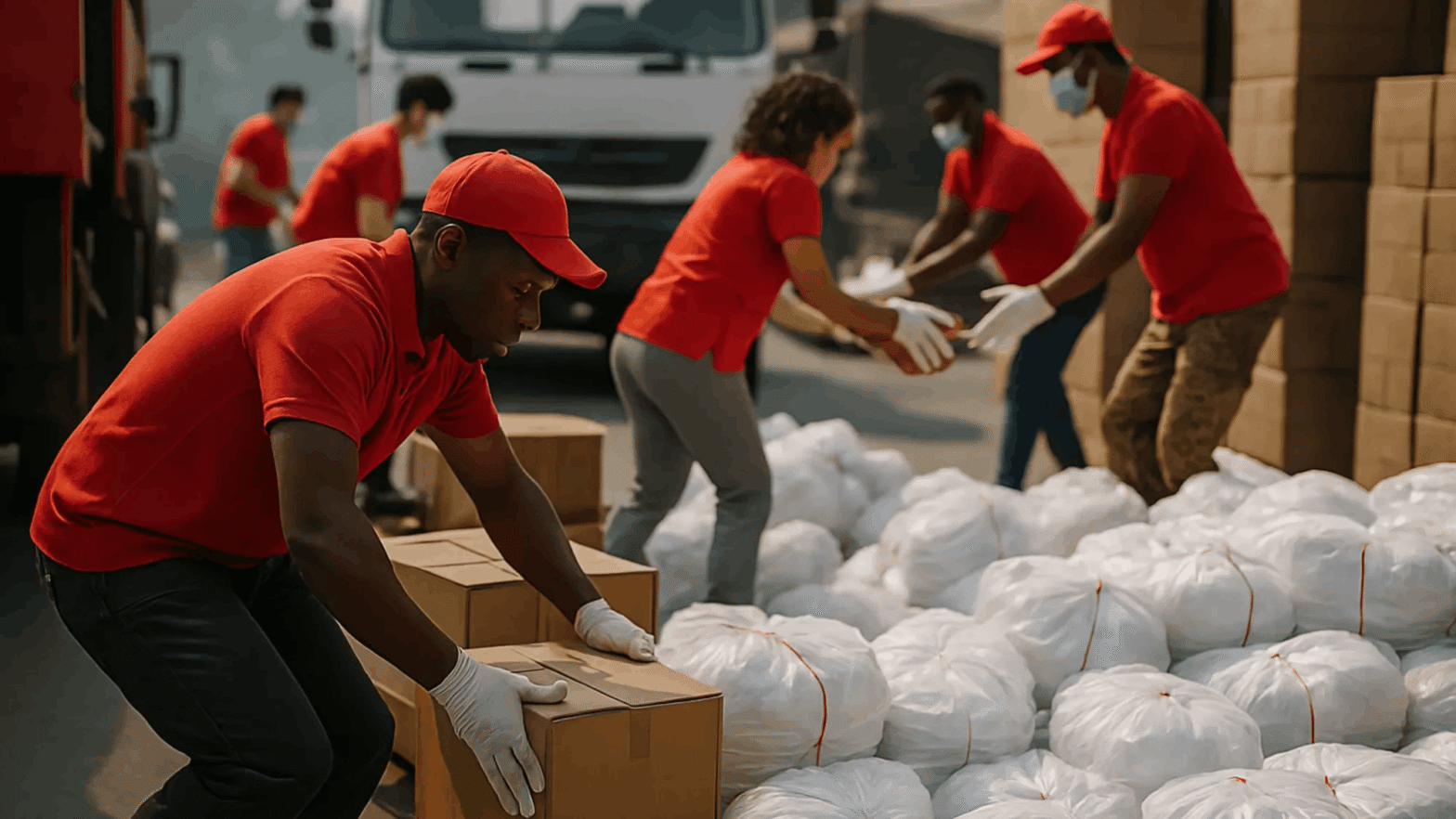
In a world increasingly shaped by crisis — whether driven by conflict, natural disasters, or systemic inequality — the importance of humanitarian action has never been clearer. But good intentions alone aren’t enough. Responding effectively to emergencies requires a strong foundation in ethics, clarity in purpose, and an understanding of the core principles that guide every responsible humanitarian effort.
This is where real learning begins.
At NextGenU.org, we’re proud to offer “A First Look at Core Principles and Approaches,” the first lesson in our new Foundations of Humanitarian Action program. It’s a free, fully online learning experience designed to prepare both aspiring and experienced humanitarian actors with the ethical compass they need to navigate complex emergencies. And more than that — it’s built to inspire action rooted in compassion, neutrality, and integrity.

The course dives deep into the four fundamental principles that define humanitarian work worldwide: humanity, impartiality, neutrality, and independence. These aren’t just theoretical ideals — they’re practical tools. In disaster zones and fragile states, in refugee camps and conflict areas, these principles shape decisions about who gets help, how, and why.
What makes this course different is its approach. Instead of long lectures or academic jargon, we’ve designed a microlearning experience that breaks complex ideas into manageable, engaging segments. Learners work through real-world scenarios, explore ethical dilemmas, and apply what they learn to practical humanitarian challenges. It’s learning designed not just to inform, but to transform how participants think and act.
Whether you’re part of a local response team, a student considering a career in humanitarian aid, or simply someone who wants to better understand how humanitarian decisions are made — this course offers something valuable. It’s an opportunity to see what it really means to offer help in a way that respects the dignity and rights of those in need.
And the best part? It’s completely free, self-paced, and includes a certificate upon completion. There are no hidden fees, no ads, and no catches — just open-access learning for those who want to make a difference.

Why This Course is Worth Your Time
- Completely free — No fees, no ads.
- Self-paced — Learn on your schedule, wherever you are.
- Interactive & practical — Real-world scenarios that help you apply principles.
- Get certified — Receive a professional certificate upon completion.
- Start your journey — This course is the first step in the Foundations of Humanitarian Action program.
“A First Look at Core Principles and Approaches” is also your entry point into our larger certification program: the Foundations of Humanitarian Action. Over 12 follow-up modules, learners will continue to build their knowledge and skills in areas like emergency coordination, protection, logistics, and ethical leadership — all essential for effective work in humanitarian settings.
In a time when humanitarian workers are needed more than ever, we’re committed to making high-quality training accessible to everyone, everywhere.
If you’re ready to deepen your understanding, take your first step into humanitarian work, or simply reflect on the ethics that drive this field, we invite you to join us.
👉 Start the course today. It’s free, it’s flexible, and it might just be the most meaningful click you make this year.
Elevating Learning: NGU’s AI-Enhanced Courses

2026 is off to an exciting start at NGU, and we’re thrilled to share a major milestone in our commitment to delivering world-class medical and healthcare education. After months of dedicated work throughout 2025, we’ve been transforming our course offerings behind the scenes, and we’re now ready to unveil the results: cutting-edge AI-enhanced components and comprehensive updates that elevate the learning experience for every student. This represents not just a content refresh, but a fundamental reimagining of how we support your educational journey.

Introducing AI-Powered Learning Components
What sets these updated courses apart is our integration of six innovative AI-powered components designed to enhance engagement, retention, and learning outcomes:
- Study Guides: Comprehensive guides drafted based on the new course structure and peer-reviewed for accuracy, providing you with a clear roadmap to navigate complex topics and focus your study time effectively.
- Lesson Summaries: Concise summaries for each lesson that distill key concepts into digestible formats, perfect for quick reviews before exams or refreshing your memory on essential material.
- Learning Activities: Interactive activities designed to boost student engagement and practical application, helping you move beyond passive reading to actively apply what you’ve learned in realistic scenarios.
- Flashcards: Converted into slide presentations (one per module) for efficient review and memorization, allowing you to reinforce critical information through proven spaced-repetition techniques.
- Microlearning Activities: Bite-sized learning modules perfect for busy healthcare professionals, enabling you to make meaningful progress in just a few minutes whenever your schedule allows.
- GPT Tutor-Bot: A custom AI tutor created specifically for each course, available 24/7 to answer questions, clarify difficult concepts, and provide personalized support exactly when you need it.
Courses Now Live with Enhanced Features
We’re proud to announce that the following courses have completed the full update process and are now available on Moodle with all AI-enhanced components:
- Prevention and Treatment of Alcohol Use Disorders
- Substance Use and Public Health
- Lifestyle Medicine
- Substance Use Disorders in Primary Care
- Breast Health
- Didactic Emergency Medicine
These courses represent the new gold standard for NGU’s educational offerings, combining evidence-based content with innovative learning tools.

Coming Soon
We’re currently in the middle and final stages of updating four additional courses that will soon feature the same comprehensive enhancements:
- Epidemiology
- Medical Ethics Online
- Patient Care Team Safety
- Humanism in Health and Healthcare
What This Means for Students
These updates represent our commitment to providing you with:
- More engaging learning experiences through interactive activities and multimedia content that keep you actively involved in your education
- Better retention with flashcards, summaries, and microlearning activities designed to reinforce learning through multiple touchpoints
- Personalized support via custom GPT Tutor-Bots available around the clock to answer your questions instantly
- Flexible learning with bite-sized content that fits your schedule, whether you have 5 minutes or an hour to study
- Comprehensive assessment with carefully designed pre-tests and final exams that help you gauge your understanding and track progress
- Clearer learning pathways with well-structured modules and defined competencies so you always know what you’re working toward
- Reliable resources with updated materials and backup links, ensuring uninterrupted access to everything you need
- Enhanced confidence through multiple practice opportunities and immediate feedback that prepare you for real-world application
Looking Ahead
This is just the beginning. We’re committed to continuously enhancing our course offerings and exploring new ways to leverage technology in the service of better learning outcomes. As we complete updates to our remaining courses, we’ll continue to refine our approach based on student feedback and emerging best practices in medical education.
We invite you to explore these updated courses and experience the difference that thoughtful course design and AI-enhanced learning can make in your educational journey.
The Pulse: Fresh Insights for Global Health Learning
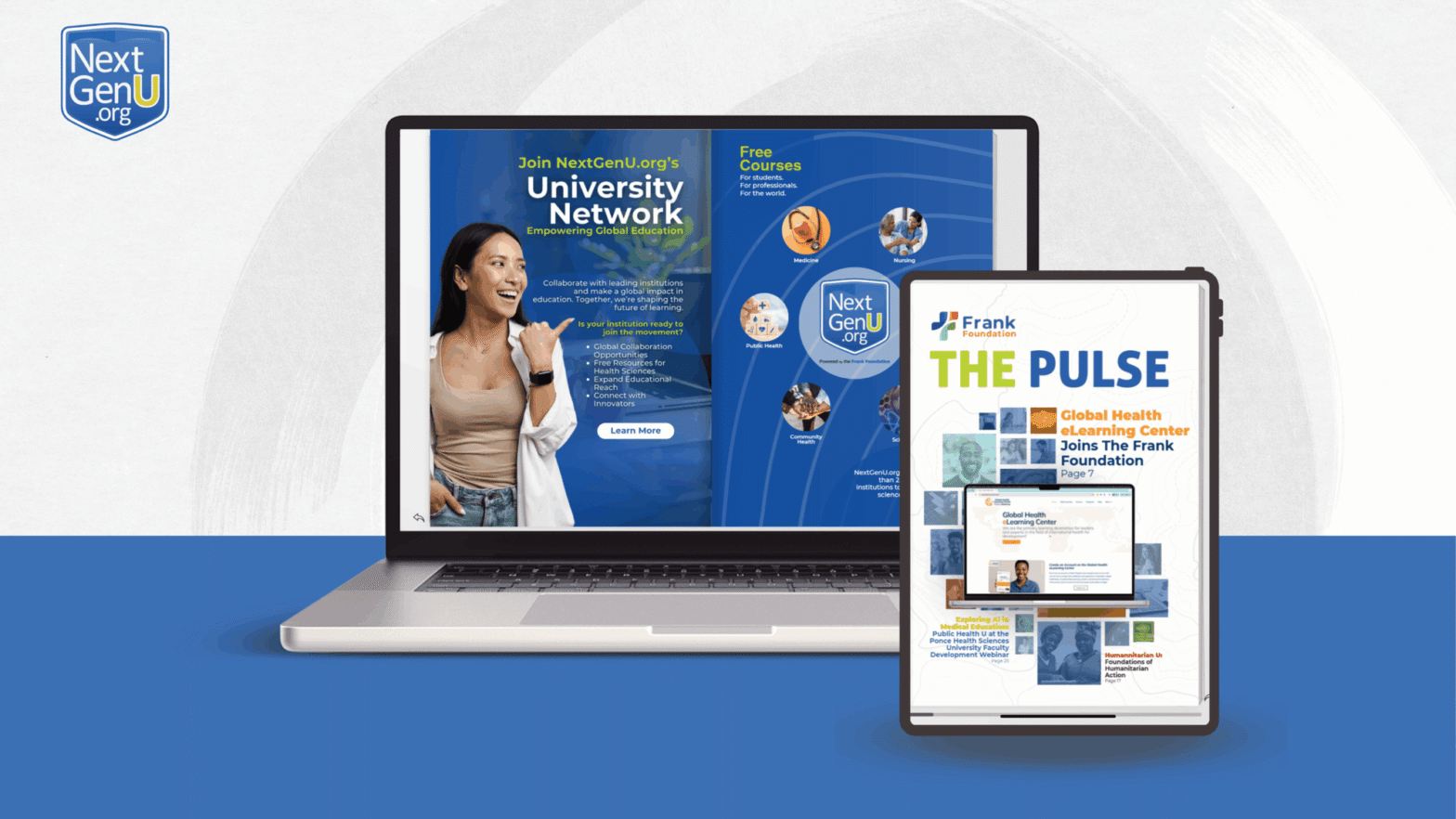
We’re excited to share the latest edition of The Pulse—our quarterly newsletter that keeps our community connected to the most impactful updates across The Frank Foundation’s open-access educational initiatives.
This fourth edition highlights major milestones in our ongoing mission to democratize health, humanitarian, and STEM education worldwide.

A Growing Global Family
This issue celebrates the official integration of USAID’s Global Health eLearning Center into the Frank Foundation family. By preserving its extensive library of resources and expanding access through our open-access model, we’re ensuring that its vital legacy continues to serve learners across the globe.
AI That Puts Learners First
Our instructional team is applying ethical artificial intelligence to enhance the learning experience. From interactive flashcards to personalized tutor bots, we are making education smarter, faster, and more inclusive for students everywhere.
Scaling STEM Across Africa
Through our STEPS initiative, we are driving transformative STEM education in Benin, Cameroon, and the Democratic Republic of the Congo. New multilingual resources and national-level adoption are helping students and educators access high-quality STEM learning at scale.
Public Health U: Semester 25B
Public Health U continues to lead in accessible, accredited public health training with the launch of Semester 25B. New programs in tropical diseases, health leadership, and faculty development are empowering professionals worldwide.
Spotlight on Innovation
Humanitarian U recently received recognition at the WHO Emergency Medical Teams Global Meeting for our AI-assisted education tools and values-based learning framework—further proof of the impact innovation can have on humanitarian training.

Stay Connected
Every course launched, every new tool developed, and every learner reached is possible because of the incredible support of our community. The Pulse is your quarterly window into these milestones, ensuring you never miss an update on the work shaping the future of global education.
📖 Read the latest edition of The Pulse
✉️ Sign up to receive future editions of The Pulse
Humanitarian U at the World Health Organization’s Emergency Medical Teams Conference in Abu Dhabi
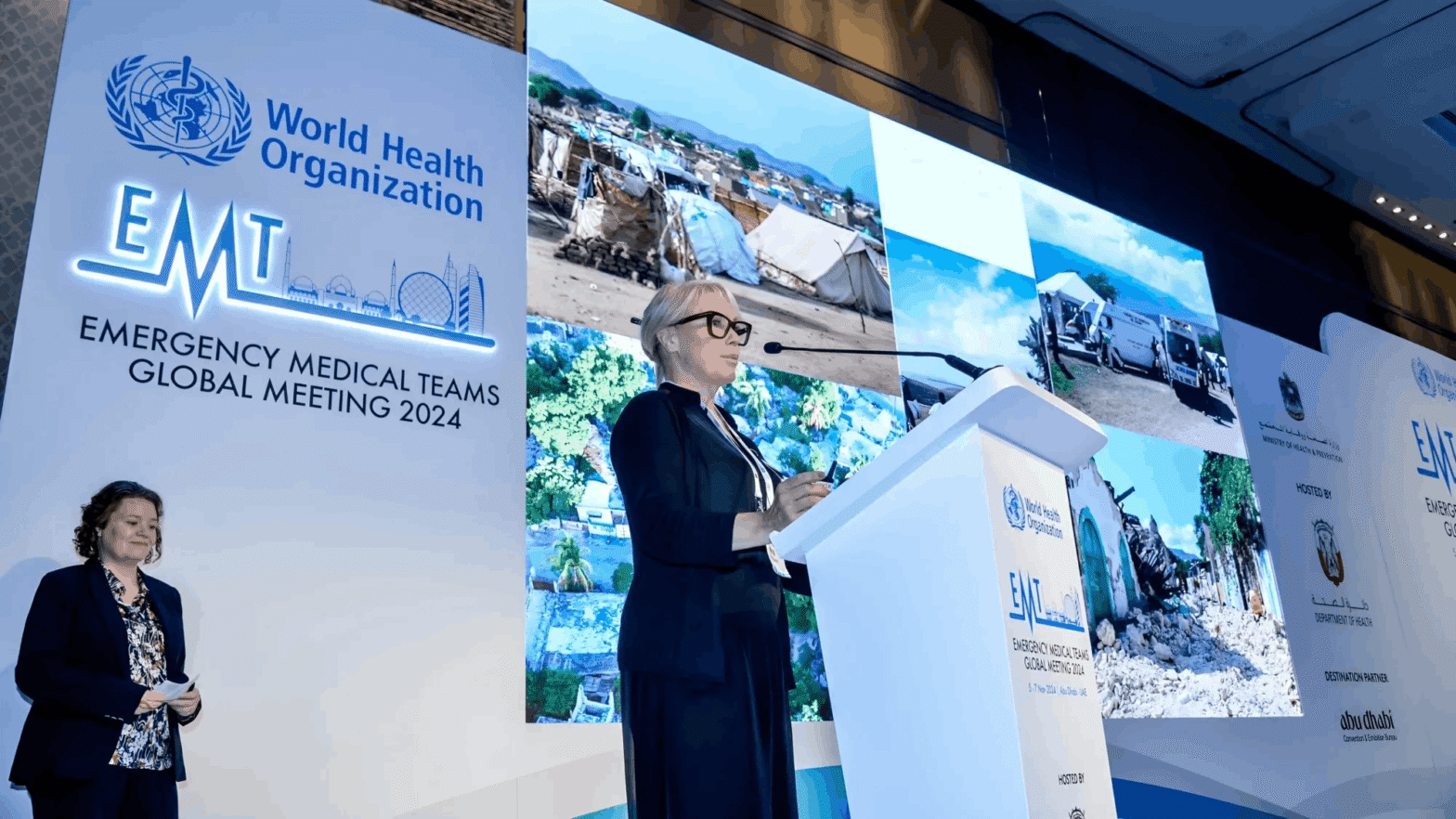
NextGenU.org’s innovative approach to global health education took center stage at the WHO Emergency Medical Teams Conference in Abu Dhabi. Through its initiative, Humanitarian U, the organization showcased groundbreaking solutions that redefine training in the humanitarian sector. Among the highlights was the recognition of ATLAS, a state-of-the-art training platform, as a Grand Champion Innovation semi-finalist.
Leadership on the Global Stage

During the conference’s prestigious closing plenary session, Miriam and Kirsten Johnson, Director of Humanitarian U, presented their innovation called ATLAS which stands for AI-assisted Training and Learning Adaptation System and is being used to develop educational content for local responders in the Democratic Republic of the Congo. Despite receiving the opportunity to present with only a few hours’ notice, Kirsten and Miriam delivered a powerful and engaging presentation, highlighting the transformative potential of ATLAS to equip humanitarian responders with critical skills. You can view the event here.
Looking Forward: Transforming Humanitarian Education
ATLAS was recognized as a Grand Champion Innovation semi-finalist project. By developing cutting-edge tools to expand education for frontline humanitarian responders, Humanitarian U is paving the way for a more prepared and resilient global humanitarian workforce.
At NextGenU.org, our mission is clear: to deliver accessible, high-quality education that empowers change-makers worldwide. With Humanitarian U as a vital extension of this vision, we are driving meaningful progress in humanitarian training and preparedness.

Join the Movement
Discover how NextGenU.org and Humanitarian U are shaping the future of global health and humanitarian education. Visit NextGenU.org and Humanitarian U to learn more.
Environmental Health: Why It Matters and How You Can Make a Difference
The Importance of Environmental Health
Environmental health is a vital component of public health, focusing on the connections between our health and the environment in which we live, work, and play. It examines how factors like air and water quality, soil contamination, built environment, climate change, and exposure to hazardous chemicals influence our health and well-being. Addressing environmental health issues helps prevent disease, enhance public safety, and create a more sustainable future. Poor environmental conditions are linked to significant health problems such as cardiovascular diseases, respiratory diseases, cancer, and other chronic conditions. According to the World Health Organization, “poor environmental quality is responsible for 12-18% of global deaths” (World Health Organization [WHO], 2016). These figures emphasize the importance of improving environmental conditions to benefit human health, and safeguarding our planet ensures a healthier world for future generations.
How You Can Advocate for Environmental Health

As individuals, we have the power to advocate for better environmental health. Education is the first step in this process. By learning the core principles of environmental health, we can raise awareness and influence our communities and policymakers. One way to gain in-depth knowledge is through NextGenU’s Environmental Health Course. This comprehensive, free course covers topics such as regulatory controls, pollution sources, and the impact of environmental hazards on human health (NextGenU, n.d.). It empowers learners to make informed decisions and contribute to meaningful change.
Course Overview: A Closer Look at NextGenU’s Environmental Health Modules
NextGenU’s Environmental Health Course offers an in-depth exploration of environmental health concepts and is ideal for individuals who want to expand their knowledge or pursue a career in public health. Developed in partnership with global health leaders, including the U.S. Centers for Disease Control and Prevention (CDC), this course covers key topics such as environmental risk assessment, pollution sources, toxicology, and environmental disaster management (NextGenU, n.d.).
Here’s what learners can expect from each module:
Module 1: Introduction to Environmental Health
This foundational module introduces learners to the basic concepts of environmental and occupational health. Exploring the relationship between human health and the environment, covering core issues like pollution and exposure to hazardous substances (CDC, n.d.).
Module 2: Environmental and Occupational Agents
In this module, students learn about major environmental and occupational agents that can affect human and ecological health. Covering both direct and indirect impacts of these agents, such as chemicals, biological agents, and physical hazards found in various industries and settings (CDC, n.d.).
Module 3: Community Health
This module focuses on environmental hazards and their assessment, offering tools to prevent and control risks to human health. It delves into the mechanisms of toxicity, explaining how certain substances cause harm when humans are exposed (NextGenU, n.d.).
Module 4: Environmental Risk Assessment and Communication
Learners are introduced to methods of assessing environmental risks, including tools for hazard identification, exposure assessment, and dose-response evaluation. They are guided through the process of creating risk assessments for specific communities and are introduced to the concept of environmental insult—a model used to predict the impacts of environmental risks (CDC, n.d.).
Module 5: Disaster Planning and Management (Optional)
This optional module prepares learners for environmental disaster scenarios, providing essential knowledge for anyone interested in public health or disaster management. It includes a detailed examination of both natural and man-made disasters, offering strategies for risk assessment, communication, and control. The module also touches on the psychosocial impacts of environmental disasters, such as substance abuse and mental health issues, and outlines support strategies for affected populations (CDC, n.d.).

Taking Action: What You Can Do
After educating yourself about environmental health through this course, you can take actionable steps to make a difference. Reducing your environmental footprint is one simple yet impactful way to contribute. You can start by minimizing waste, conserving energy and water, and supporting products and companies with eco-friendly practices (WHO, 2021). Every small action contributes to a larger collective effort to protect the environment.
In addition to personal action, advocating for policy changes is a powerful way to make a lasting impact. Local and national governments play a key role in regulating environmental health, and by advocating for stronger regulations, you can help push for clean energy policies, pollution controls, and measures that promote environmental justice. Your voice matters in shaping policies that protect both people and the planet (CDC, n.d.).
Volunteering with organizations that focus on environmental health is another excellent way to get involved. Whether through clean-up efforts, educational programs, or public health initiatives, there are many ways to contribute. Supporting these causes through donations or active participation helps drive forward the collective mission to protect the environment and human health (WHO, 2021).

Why Choose NextGenU’s Environmental Health Course?
NextGenU’s Environmental Health Course provides an opportunity to explore the field of environmental health with guidance from renowned experts and institutions. It was developed in partnership with leading organizations, including the CDC and the International Society of Doctors for the Environment, and uses world-class learning resources from institutions like the World Health Organization and Yale University (NextGenU, n.d.). The course is competency-based, aligning with public health standards to ensure that learners acquire practical skills.
This course is not just about learning; it is about advocacy and action. Participants will gain the knowledge and tools needed to become effective advocates for environmental health, whether they are working in public health, involved in policymaking, or simply passionate about making a positive impact in their communities.
For those interested in deepening their understanding of how climate change impacts human health—an essential aspect of environmental health—NextGenU also offers a comprehensive Climate Change and Public Health course. This course covers critical topics over five modules:
- Module 1: Introduction to Climate Change
- Module 2: Causes and Impact of Rapid Climate Change
- Module 3: Climate Change Prediction Models
- Module 4: Climate Change and Public Health
- Module 5: Measures Against Climate Change
Together, these courses equip participants not only with knowledge but also with the tools to become effective advocates for environmental health, enabling them to influence public health, engage in policymaking, or simply make a positive impact in their communities.
Conclusion
Environmental health is essential for promoting both human well-being and the health of our planet. Educating yourself on these issues and taking actionable steps—whether through personal choices, policy advocacy, or volunteering—can make a significant difference. If you’re ready to take the next step in learning about environmental health and how to make an impact, enroll in NextGenU’s Environmental Health Course. This comprehensive course equips you with the knowledge and skills needed to advocate for a healthier world. Together, we can contribute to a future where both people and the environment thrive.
References
Centers for Disease Control and Prevention. (n.d.). Environmental health services. https://www.cdc.gov/nceh/ehs/index.htm
NextGenU. (n.d.). Environmental health course. https://www.nextgenu.org
World Health Organization. (2016). Preventing disease through healthy environments: A global assessment of the burden of disease from environmental risks. https://www.who.int/publications/i/item/9789241565196
World Health Organization. (2021). Mortality and burden of disease attributable to the environment. https://www.who.int/data/gho/data/themes/topics/topic-details/GHO/mortality-and-burden-of-disease-attributable-to-the-environment
Expanding Horizons in Healthcare Education: Miriam Chickering Shares Her Story on ‘Talk of Iowa’
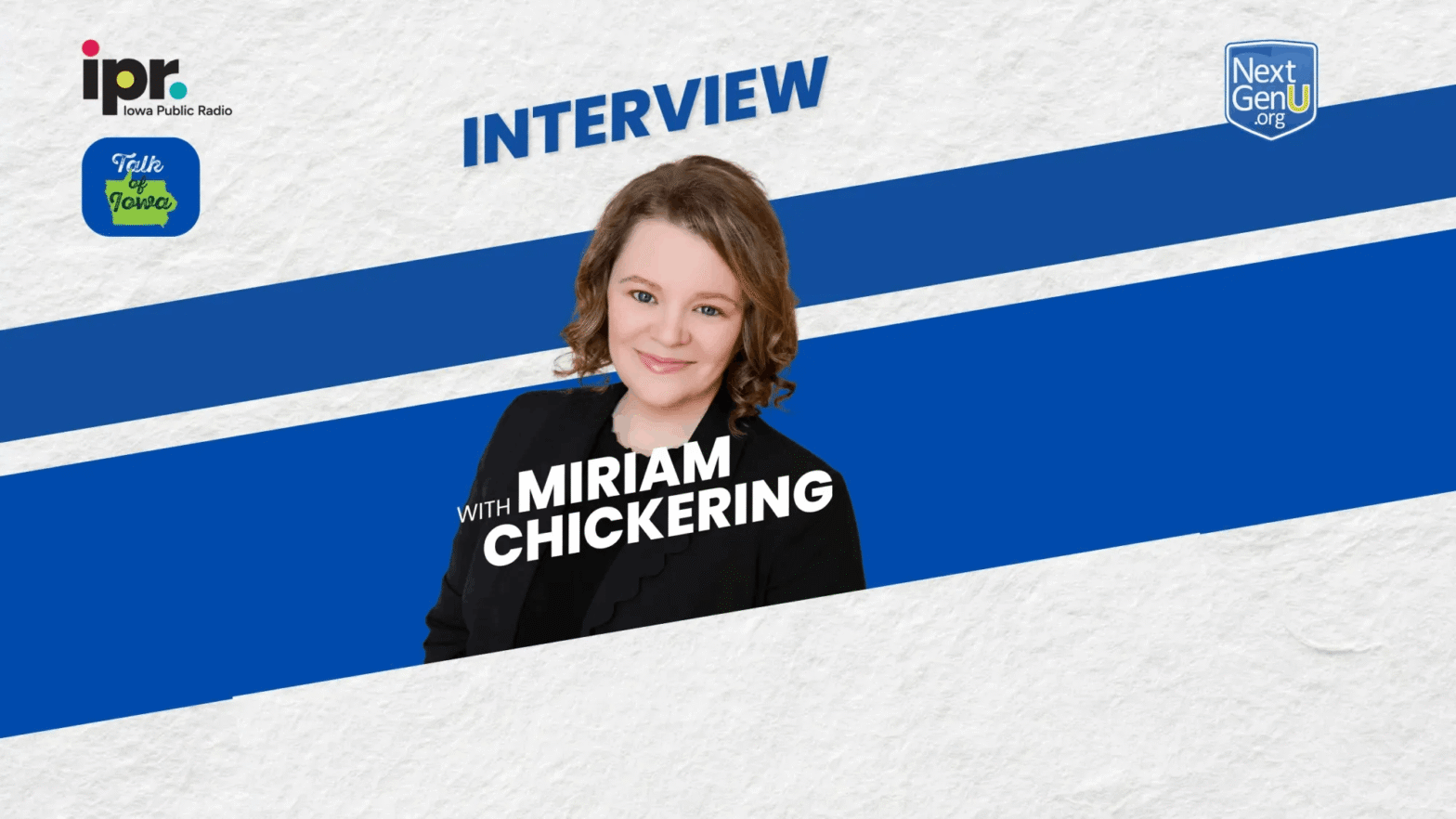
In an interview with Charity Nebbe on the “Talk of Iowa” show on August 30th, following the inaugural meeting of the Iowa Global Volunteer Corps facilitated by Del Christianson, NextGenU.org’s CEO, Miriam Chickering, shared her inspiring journey from a nurse educator to the Founder of Nurses International and, now, the CEO of NextGenU.org.

Driven by her desire to share her knowledge, Miriam launched Nurses International, a global platform that provides nursing curriculum and content to nurses worldwide. She highlighted that Nurses International’s success was based on its volunteer network of nurse educators, with everyone working toward a shared goal.
A pivotal moment in Miriam’s journey came when she realized that the need for high-quality, accessible educational materials extended beyond nursing to other healthcare disciplines. This realization led her to connect with Dr. Erica Frank, Founder of NextGenU.org, who had already pioneered similar work in public health and medicine. NextGenU.org’s innovative work now encompasses a broad range of disciplines, including addiction training, medicine, public health, and humanitarian response.
You can listen to the full interview here; Miriam’s segment begins at minute 32.
Ambassador Kenneth M. Quinn: A Legacy of Service, Leadership, and Global Impact
It was a privilege for Miriam Chickering, CEO at NextGenU.org, to meet Ambassador Quinn at the inaugural Iowa Global Volunteer Corps event. Miriam shared a heartwarming picture of herself and Ambassador Quinn captioned, “Honored to spend an afternoon learning from Ambassador Kenneth M. Quinn and colleagues at the inaugural Iowa Global Volunteer Corps event.” Miriam Chickering expressed how truly inspiring it was to have had the opportunity to meet Ambassador Quinn, and experience his knowledge and awe-inspiring leadership. This connection reinforced NextGenU.org’s commitment to global service and leadership and has inspired us to continue our work to empower the next generation of health professionals and global citizens.

In the realm of international diplomacy and humanitarian work, few individuals have left as indelible a mark as Ambassador Kenneth M. Quinn. His remarkable journey from a young diplomat to a global leader in food security and agricultural development serves as an inspiration to all who strive to make a positive impact on the world. We find ourselves deeply inspired by Ambassador Quinn’s dedication, perseverance, and visionary leadership.
A Diplomatic Career of Distinction
Ambassador Quinn’s 32-year career in the Foreign Service is a testament to his unwavering commitment to public service and international cooperation, marked by pivotal roles in some of the most challenging moments in recent history. As a Rural Development advisor in the Mekong Delta, he gained firsthand knowledge of the challenges facing developing regions, while his service on the National Security Council staff at the White House provided him with a strategic perspective on global affairs. At the U.S. mission to the United Nations in Vienna, he worked to foster international cooperation, and as Chairman of the U.S. Inter-agency Task Force on POW/MIAs, he demonstrated his dedication to those who have served their country. His humanitarian spirit was evident in his role as Director of Iowa SHARES, where he coordinated efforts to send vital medical aid to Cambodian refugees. Additionally, Ambassador Quinn’s courage and integrity were recognized throughout his career with numerous awards, including the Secretary of State’s Award for Heroism and Valor and the Presidential Distinguished Service Award.
Championing Food Security and Agricultural Development

U.N. Secretary-General Kofi Annan speaking at the World Food Prize Borlaug Dialogue symposium in Des Moines, 2010, invited by Ambassador Kenneth M. Quinn.
After retiring from the State Department, Ambassador Quinn took on a new challenge as the president of the World Food Prize Foundation in 2000. Inspired by the vision of Dr. Norman E. Borlaug, he transformed the annual $250,000 award into the “Nobel Prize for Food and Agriculture.” Under his leadership, the World Food Prize Laureate Award Ceremony, “Borlaug Dialogue” International Symposium, and Global Youth Institute have become prestigious global events.
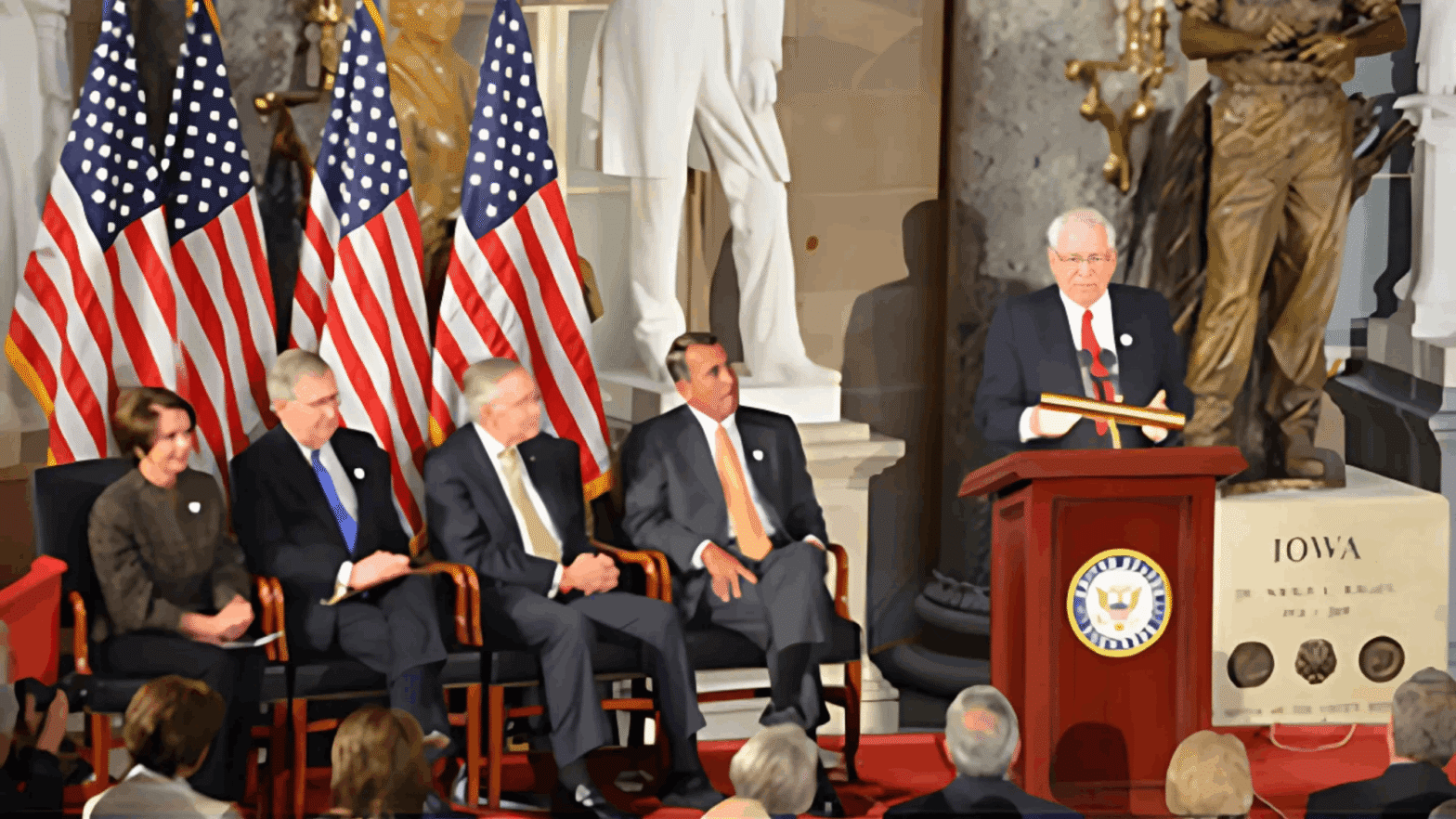
Ambassador Quinn’s achievements at the World Food Prize Foundation are highlighted by his successful efforts in raising over $30 million to restore the historic Des Moines Public Library and transform it into the World Food Prize Dr. Norman E. Borlaug Hall of Laureates. He also chaired the Dr. Norman E. Borlaug Statue Committee, leading to the unveiling of Dr. Borlaug’s statue in the U.S. Capitol. Additionally, he expanded the foundation’s reach and impact, fostering global conversations on food security and agricultural innovation.
A Legacy of Intellectual Courage and Humanitarian Action

Governor Robert Ray during the period when Ambassador Kenneth M. Quinn was on assignment to his office (1978-1982), working on rescuing the Boat People refugees from Vietnam and directing Iowa SHARES, the campaign that provided life-saving food and medicine to Cambodian genocide victims.
While completing a four-year stint on Iowa Governor Bob Ray’s staff, Ambassador Quinn worked on the plight of the Vietnamese “boat people” refugees following the Vietnam War. As a diplomat deeply involved in Southeast Asia during this period, Ambassador Quinn witnessed firsthand the harrowing conditions these refugees faced as they fled their war-torn homeland in overcrowded, makeshift boats, risking their lives on the open sea.
Many perished from starvation, dehydration, and attacks by pirates. Ambassador Quinn, moved by their suffering, played a pivotal role in advocating for their resettlement, particularly in the United States. He worked tirelessly to raise awareness of their dire situation, contributing to the successful efforts to bring thousands of these refugees to safety in the U.S., where they could rebuild their lives. His commitment to humanitarianism during this crisis highlighted the profound impact that compassionate diplomacy can have in alleviating human suffering.
Throughout his career, Ambassador Quinn has demonstrated an unwavering commitment to truth and justice. He is widely acknowledged as the first person to report on the genocidal policies of the Khmer Rouge in 1974. His doctoral dissertation on the origins of the Pol Pot regime showcased his deep understanding of complex geopolitical issues.
Ambassador Quinn’s expertise and dedication have been recognized with numerous prestigious honors. He has received the American Farm Bureau Distinguished Service to Agriculture Award, the Indian Council of Food and Agriculture Global Leadership Award, and the White House Champion of Change Award. Additionally, he was awarded the prestigious Iowa Medal, making him only the 23rd person in Iowa history to receive this distinguished honor.
Inspiring the Next Generation of Global Leaders

Ambassador Kenneth M. Quinn speaking at the dedication of the statue of Nobel Peace Prize Laureate and World Food Prize founder Dr. Norman Borlaug in Statuary Hall at the U.S. Capitol on March 25, 2014. As chair of the committee, he led the efforts to raise funds and select the artist, with Congressional leadership in attendance.
Ambassador Quinn’s life work serves as a powerful example for all of us at NextGenU.org. His ability to bridge cultural divides, tackle complex global challenges, and inspire positive change aligns closely with our mission to provide accessible, high-quality education to learners worldwide.
As we reflect on Ambassador Quinn’s legacy, we are reminded of the importance of perseverance, intellectual courage, and dedication to service. His life’s work challenges us to think globally, act locally, and never underestimate the power of education and cooperation in addressing the world’s most pressing issues.
At NextGenU.org, we strive to embody these values in our daily work, providing free education in health sciences to learners around the globe. Ambassador Quinn’s journey from a young diplomat to a global leader in food security and agricultural development serves as a beacon, guiding us as we continue to expand our educational offerings and impact.
To learn more about Ambassador Kenneth Quinn’s journey, please click here, here, or here.
References:
PBS. (n.d.). Citizen diplomacy. PBS. Retrieved August 20, 2024, from https://www.pbs.org/video/citizen-diplomacy-nbfzgr/
World Food Prize Foundation. (n.d.). Ambassador Kenneth M. Quinn. World Food Prize Foundation. Retrieved August 20, 2024, from https://www.worldfoodprize.org/en/about_the_foundation/ambassador_kenneth_m_quinn/?fbclid=IwY2xjawEm5JhleHRuA2FlbQIxMQABHdtKL_6E-UZhviv6ImXgP1UNs5ejIiDXJxYRKYX49iy-IUkYUANGdQkJrA_aem_vqYqU7oAICVFBfX8kT2OAA&sfnsn=wa